

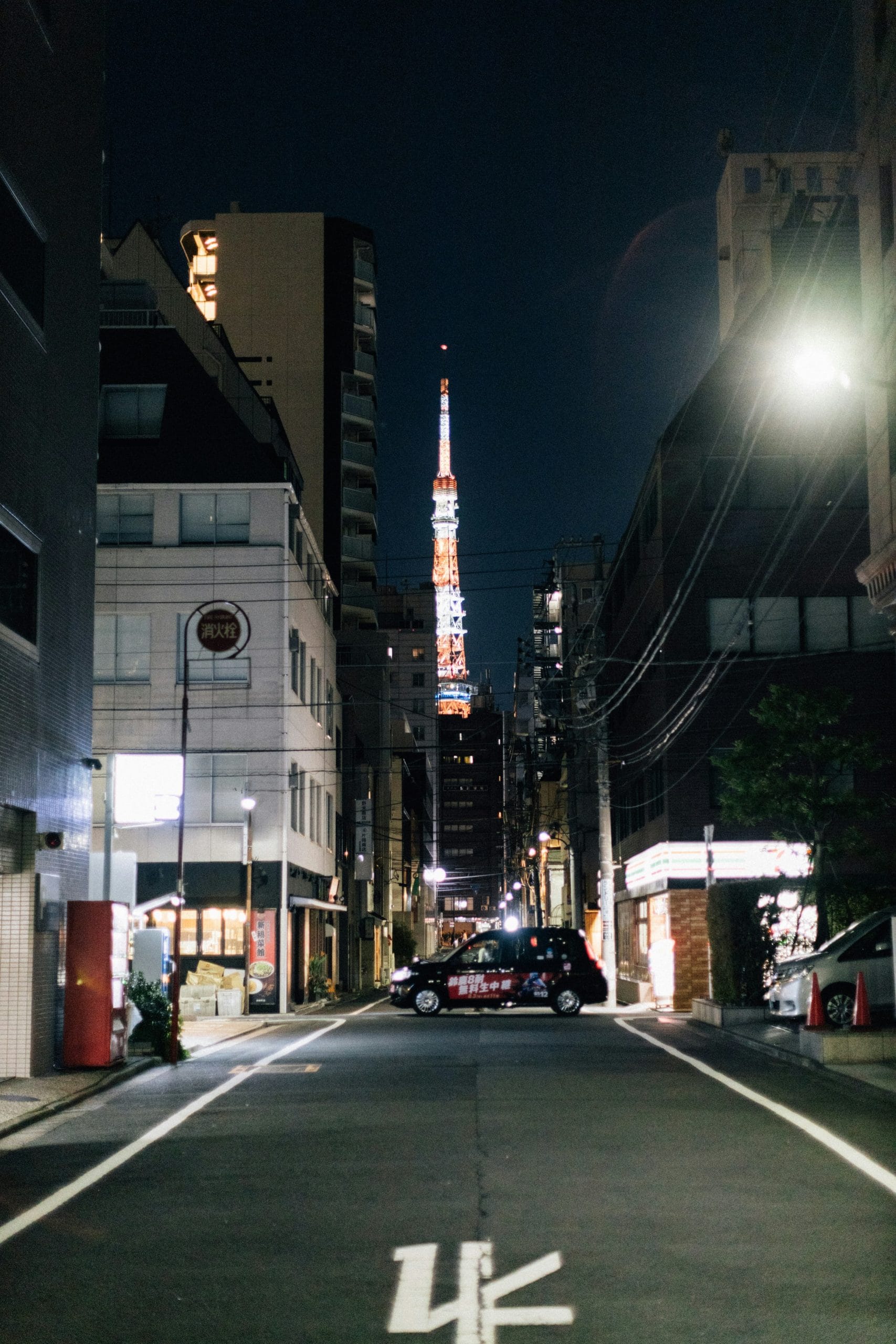
At 5 a.m., Tokyo is doing something very un-Japanese.
It’s quiet.
Not the curated quiet of a luxury ryokan or the polite hush of a museum gallery, but a working quiet — the kind that hums softly if you listen long enough. The city hasn’t woken up yet, but it is already awake. There’s a difference. In Japan, there always is.
This is the hour when Tokyo belongs to people who never post stories.
The sky is a pale, undecided blue — not night, not morning — and the streetlights are still on out of habit. Asphalt looks slightly damp even when it isn’t. A convenience store automatic door sighs open for one customer, then closes again, relieved. Somewhere nearby, bread is already being born.
This Tokyo doesn’t trend. It doesn’t sparkle. It doesn’t ask to be photographed.
And that’s exactly why it matters.
The Bakers Who Decide Your Morning Before You Wake Up
If you stand outside a neighborhood bakery at 5 a.m., you won’t see much. The shutters are down. The sign is dark. Instagram would scroll right past it.
But the smell gives it away — butter, yeast, heat.
Inside, bakers have been awake for hours. According to the Japan Bakery Association, many independent bakeries begin production between 2 and 4 a.m., so shelves are full by commuter time. This isn’t romance. It’s logistics. Japanese customers expect freshness not as a luxury, but as a baseline.
I once asked a baker in Kōenji why he didn’t switch to frozen dough like many Western chains.
He looked genuinely confused.
“Because people would notice.”
This is the quiet contract Tokyo runs on: unseen effort in exchange for invisible trust. Your croissant at 8:30 a.m. tastes good because someone else sacrificed sleep. You are not meant to think about it — but at 5 a.m., you can’t avoid it.
In the West, early mornings feel heroic. In Tokyo, they feel procedural.
Cleaners: The City’s Most Reliable Ghosts
At 5 a.m., Tokyo’s streets are already clean.
Not “clean considering it’s a big city” clean. Actually clean.
This is not accidental, and it’s not magic. It’s labor — carefully scheduled, rigorously managed, and almost entirely ignored.
The Tokyo Metropolitan Government employs and contracts thousands of sanitation workers whose shifts often begin before sunrise. Add to that the famously disciplined routines of private building cleaners, train station staff, and neighborhood associations, and you begin to see the pattern: Tokyo resets itself while you sleep.
I often notice cleaners polishing handrails in subway stations that won’t see crowds for another hour. They wipe, step back, inspect, wipe again. There is no audience. No applause. Just standards.
In many Western cities, cleanliness is reactive — responding to mess after it happens. In Tokyo, it’s preventative, almost philosophical. The goal isn’t to fix chaos. It’s to never let chaos arrive.
At 5 a.m., you see the city inhaling before the exhale of rush hour.
Delivery Vans and the Art of Not Being in the Way
If you think Tokyo traffic is bad, you’ve never seen Tokyo logistics.
At dawn, narrow streets fill briefly with white delivery vans, drivers moving with choreographed efficiency. According to MLIT (Japan’s Ministry of Land, Infrastructure, Transport and Tourism), Japan’s urban delivery systems prioritize early-morning distribution to reduce daytime congestion — a necessity in cities where space is an endangered species.
Drivers unload quietly. No engines revving. No shouting. Hazard lights blink like polite apologies.
In the West, delivery is often loud, assertive — a declaration of presence. In Tokyo, it’s the opposite. The highest compliment is invisibility.
I once watched a delivery driver bow slightly to a closed shop door before leaving the goods outside.
No one saw him.
Except me.
The Streets Without Performance
Tokyo during the day performs. It dazzles. It multitasks. It sells itself very well.
At 5 a.m., it drops the act.
Shibuya’s crossings are empty, the famous scramble reduced to painted lines waiting patiently for meaning. Neon signs flicker off one by one, like they’re embarrassed to still be awake. Even vending machines — those tireless emotional support robots — glow a little softer.
This is the Tokyo I grew up knowing before I learned how much the world romanticized it.
Here, you hear things you never notice later: the low whirr of ventilation systems, the distant rumble of the first Yamanote Line trains being tested before service begins. JR East reports that maintenance and safety checks peak in the early morning hours — again, unseen, uncelebrated.
At 5 a.m., Tokyo isn’t impressive.
It’s honest.
A City Built on Preparation, Not Improvisation
What this hour reveals is Tokyo’s real rhythm: preparation first, performance later.
In many Western cultures, productivity is loud. Hustle is visible. Success announces itself.
In Japan, especially in Tokyo, effort happens early and quietly. By the time you see the result, the work is already done.
This mindset shows up everywhere:
- Trains arrive on time because checks happened hours ago.
- Offices run smoothly because someone unlocked doors and set thermostats before dawn.
- Your coffee tastes consistent because standards were enforced long before customers arrived.
According to NHK coverage on Japanese work culture, early start times remain common in service and infrastructure roles — not because of inefficiency, but because reliability is valued more than visibility.
At 5 a.m., Tokyo is not chasing the day.
It’s laying it out carefully, like bento ingredients lined up before the box is packed.
Why Instagram Misses This Hour
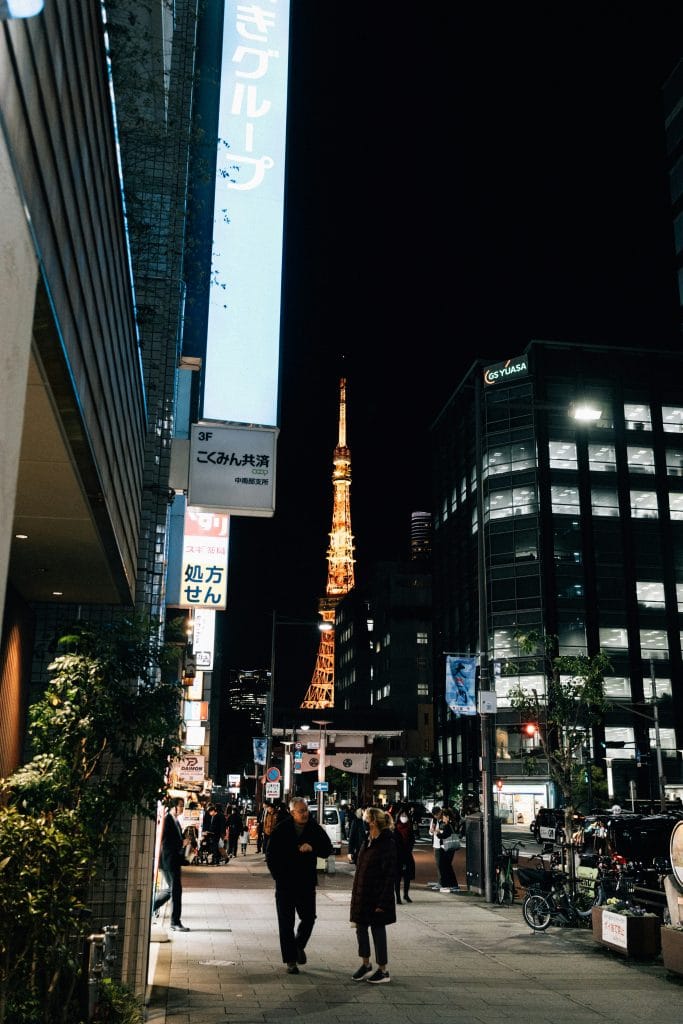
Instagram loves Tokyo at night — neon reflections, umbrellas, mystery.
It loves Tokyo in the afternoon — crowds, fashion, motion.
But 5 a.m. doesn’t sell aspiration. It sells responsibility.
There’s no aesthetic payoff in watching someone hose down a sidewalk or stack bread trays. There’s no drama in an empty platform waiting for its first passengers. And yet, this hour explains everything that comes after.
Without 5 a.m., Tokyo at noon wouldn’t function.
This is the part visitors rarely see, not because it’s hidden, but because it doesn’t ask to be looked at. You have to wake up for it. You have to be slightly uncomfortable. You have to choose curiosity over convenience.
Which is very un-Instagram.
Standing in the Almost-Morning
Sometimes I walk with my camera at this hour and don’t take a single photo.
The light is beautiful — soft, forgiving, like it hasn’t decided what to judge yet. But the feeling matters more than the frame. Tokyo at 5 a.m. isn’t something you capture. It’s something you witness.
A cleaner stretches her back before continuing. A baker wipes flour from his hands and checks the clock. A delivery van disappears down a street too narrow for drama.
The city is calm because it knows what’s coming.
In another hour, Tokyo will surge, sparkle, overwhelm. People will call it efficient, futuristic, intense.
But at 5 a.m., it’s simply diligent.
And if you want to understand Tokyo — not the version that performs, but the one that sustains — this is the hour to meet it.
ChatGPT can make mistakes. Check important info.
