

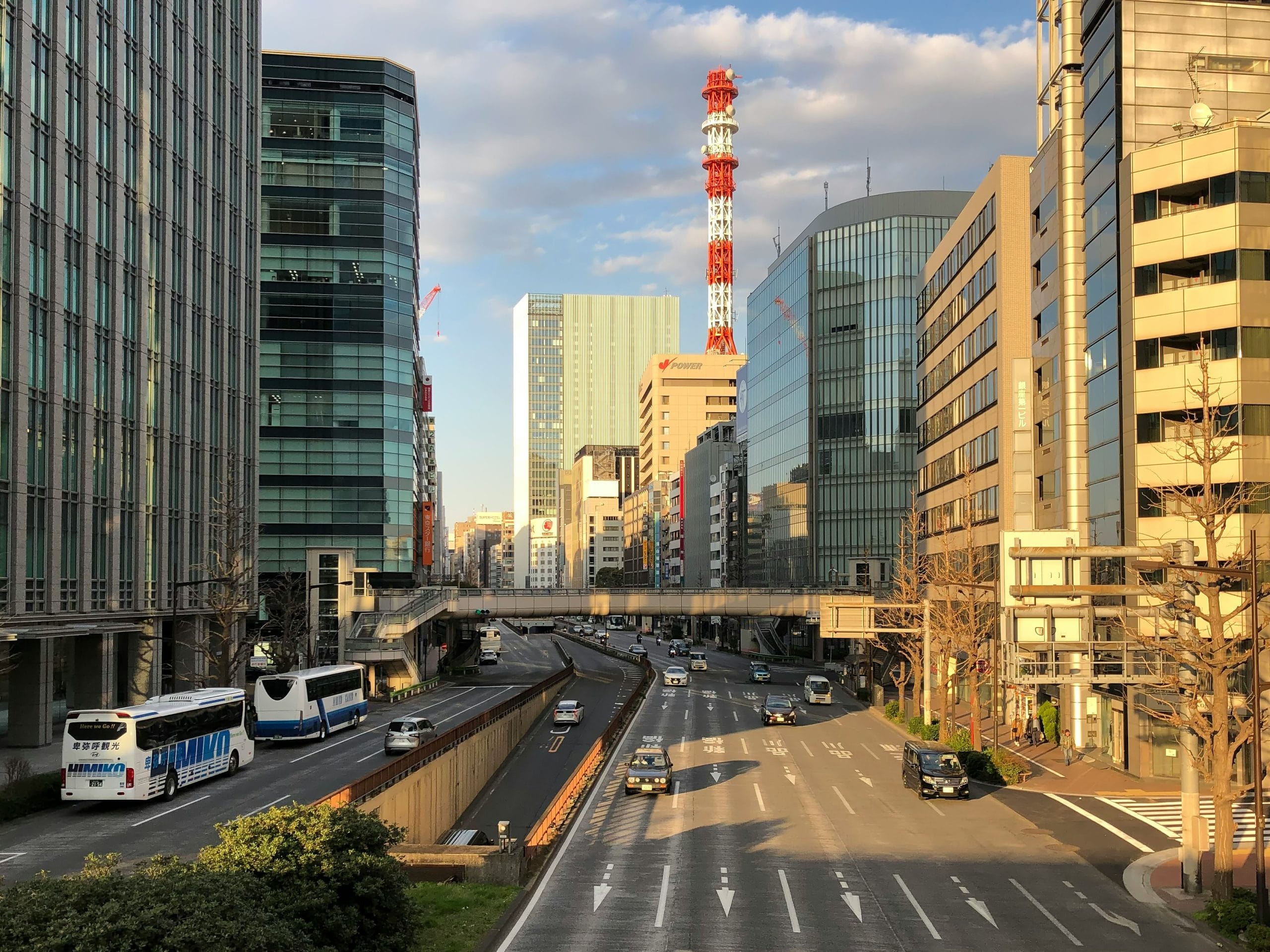
Walking the streets of Tokyo — whether it’s the neon-glow of Shinjuku at night or the soft morning light across Ueno Park — one thing remains surprisingly invisible but profoundly felt: the internet. Not the flashy 5G ads plastered on billboards, but the reality of constant connectivity. You don’t pray to the Wi-Fi gods before joining a Zoom call. You don’t reload three times to send a LINE message while exiting a train station. The internet here feels as dependable as hot green tea in winter — and that’s not an accident.
Today I want to pull back the curtain on what makes Japan’s internet so relentlessly reliable. We’ll dig into fiber networks, mobile coverage, underground cabling, and — most importantly — the cultural mindset that treats reliability not as a luxury, but as a social obligation.
1. Fiber First: The Backbone You Don’t See
The cornerstone of Japanese connectivity is fiber-to-the-home (FTTH). Unlike many Western markets where copper or hybrid technologies still cling to life, Japan invested early and comprehensively in optical fiber networks. Fiber doesn’t just scream speed — it whispers stability.
Here’s the reality: as of recent data, over 80% of Japan’s fixed broadband lines are FTTH, meaning homes and apartments are connected with pure fiber, not fragile copper or coaxial leftovers.
And nearly 100% of premises are technically reachable by fiber, with many households routinely subscribing to 1 Gbps and even 10 Gbps plans.
This isn’t marketing bravado — this is everyday experience. Unlike copper, fiber doesn’t suffer from electromagnetic interference, corrosion, or signal degradation as temperatures swing (quite a comfort when Tokyo summers feel like sauna air). The result? fewer dropouts, fewer maintenance headaches, and a backbone that quietly hums along.
It’s also worth noting Japan’s long history with fiber. The country was one of the first in the world to deploy fiber networks on a large scale, giving it a head start over many Western nations.
2. Underground Cabling: Out of Sight, Out of Trouble
Walk around central Tokyo and you might notice something curious: despite the iconic maze of overhead electrical wires, the internet cables that matter most are increasingly buried underground. Why? Because Japan learned — painfully — that weather and natural disaster can wreak havoc on aerial lines.
By placing critical fiber and backhaul cables beneath the surface — especially in urban cores — engineers dramatically reduce outages due to storms, typhoons, or even earthquakes. It’s the same principle that makes Japan so disciplined about quake-proofing buildings: plan for disruption before it happens.
In many Western cities, by contrast, broadband infrastructure still often dances on utility poles, exposed to wind, heat, cold, and the occasional inattentive truck driver. That’s one reason a summer thunderstorm in some American and European cities can knock out connectivity for hours.
Japan’s approach isn’t flashy. It’s just functional, and it’s rooted in a worldview where infrastructure serves the people reliably and quietly.
3. Mobile Networks: Dense, Competitive, and Ever-Present
Ask any traveler where mobile connectivity falters and they’ll probably point to rural roads, valleys, or underground tunnels. In Japan… most of that still applies — but the blind spots are smaller.
According to the Internet Society’s Pulse Resilience Index, Japan scores extremely high for mobile network coverage, with nearly 99% population coverage and strong spectrum allocation for operators.
But the magic isn’t just coverage — it’s redundancy. Japan’s mobile market — led by NTT Docomo, KDDI (au), SoftBank, and the plucky up-and-comer Rakuten — is fiercely competitive. That competition drives operators to densify their networks with small cells tucked into buildings, train stations, and city blocks. Overlapping coverage isn’t waste — it’s insurance.
The upshot is what many Westerners don’t expect: even when you’re wandering underground or squeezing into a crowded commuter train, your phone rarely loses signal entirely.
4. Reliability Isn’t an Add-On — It’s a Sacred Duty
Let’s talk about something less technical and more cultural: reliability as social obligation.
In many Western markets, uptime feels like a bonus. You pay more for “priority support.” You complain on social media when your stream buffers. When it drops, you sigh.
In Japan, reliability is treated like table manners: everyone expects it, and everyone plays a part in maintaining it. Telecom companies make stability part of their brand — not just a product feature — and infrastructure policy is carefully woven into national planning.
Recent policy changes even reflect this ethos. From 2026, Japan is adding a universal service fee to broadband — not to line corporate pockets, but to support extending fiber to remote and underserved regions. The idea is that connectivity isn’t a luxury — it’s part of the social contract.
That’s deeply Japanese: think of it like always returning your shopping basket in the konbini — you do it because the system works best when everyone does their part.
5. Real-World Reliability: It Shows in the Experience Metrics
You don’t need to buy complex market reports to feel this in your bones — it shows up in user experience metrics.
For example, in a 2025 broadband experience report, Japan’s major fiber provider NURO Hikari scored exceptionally high for reliability experience, outperforming competitors and setting a benchmark for consistent performance.
This means the internet isn’t just fast — it’s consistently usable for streaming HD video, remote work, and gaming without constant reconnects.
Compare that with many Western locales where network speeds might beat Japan’s on paper, but reliability can fluctuate wildly based on weather, infrastructure age, or even fiber vs. copper last-mile issues. Japan’s focus has always been on consistent quality, not just headline speeds.
6. But It’s Not Perfect — Infrastructure Still Has Gaps
I don’t want to paint an unrealistic picture. Japan’s network is excellent where it exists, but geographic and economic realities still pose challenges.
Rural and mountainous areas often lag behind urban centers in fiber availability and 5G penetration. Coverage in remote towns can be patchy compared to Tokyo or Osaka.
Still, even with those gaps, the default experience for most residents — and for visitors who stay in cities — is one of steady, dependable connectivity that many in the West would envy.
7. Infrastructure as Everyday Poetry
When I think of Japan’s internet, I think of a haiku:
Invisible lines
steady as winter rainfall —
always there with me.
It’s not romantic in the classical sense. There’s no cherry blossom glow or fog-shrouded temple. It’s something sturdier: the quiet infrastructure that lets you video-call your parents at dinner time, track your train in real time, or upload a photo without ever thinking about how it all happens.
The internet here isn’t magic. It’s engineering, planning, competition, and — above all — a social commitment to reliability.
8. What the West Could Borrow from Japan
If you’re in a place where your internet flails in a storm or vanishes in an office meeting, here are a few lessons from Japan’s playbook:
- Invest in fiber early and thoroughly — prioritize fiber to the home over temporary tech.
- Bury critical infrastructure — shield networks from environmental hazards.
- Encourage competition — multiple strong operators push each other to maintain uptime.
- Treat uptime as a public good — not just a premium add-on.
None of these are cheap. None are glamorous. But they are proven — and Japan’s quietly dependable internet experience is the testament.
Final Thought
Japan’s internet doesn’t drop because of luck. It doesn’t fail because of bravado. It succeeds because a society that values punctual trains, clean sidewalks, and polite queues also values networks that just work.
It’s not flashy. It’s not dramatic. It’s just there — sturdy, humble, and steady — much like Japan itself.
