

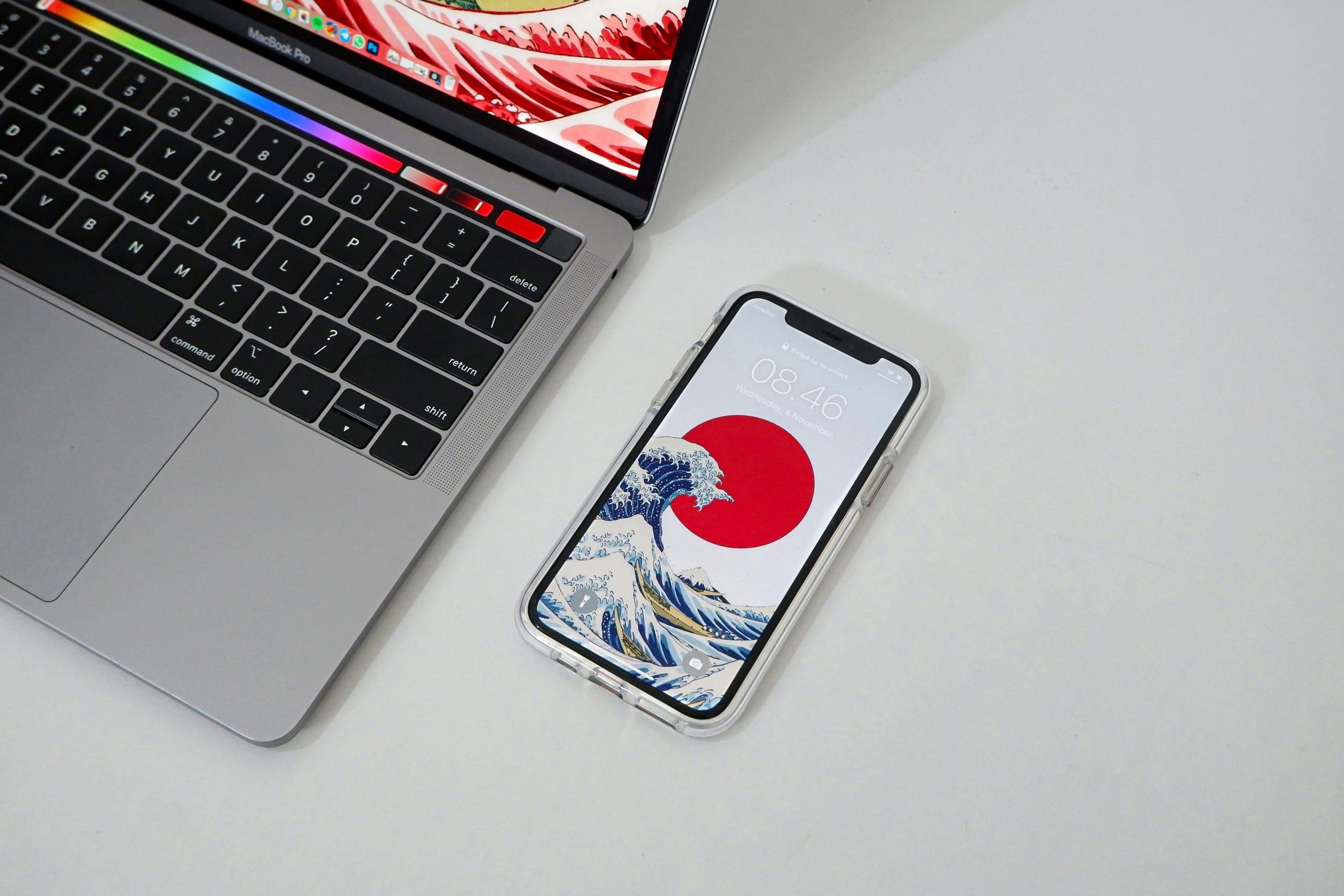
If Japan were a photograph, it would be a long exposure: lights trail, trains blur, and everyone’s phone quietly knows where to be and when. For travelers, that tiny rectangle of glass in your pocket—your connection to maps, translation, and the polite fury of missed reservations—matters. But these days you can choose how to stitch that rectangle into your trip: an eSIM, a physical SIM card, or the ever-popular pocket Wi-Fi. Each has a personality. Here’s how to pick the right one without accidentally buying 50 GB of data for a midnight convenience-store impulse.
eSIM: the elegant, slightly smug option
Why it’s rising: eSIMs remove the airport-counter drama. No swapping tiny plastic cards, no juggling passports at a cramped electronics corner. You buy a plan online, scan a QR code, and the profile installs. For modern phones (most iPhone 11+ and many Android flagships), eSIMs are supported and increasingly offer 4G/5G access via partnerships with Japan’s major networks. Providers such as Airalo, Ubigi, and newer players advertise instant activation, flexible day-counts and sometimes cheaper regional bundles than traditional vendors.
Speed & reliability: eSIMs often ride the same networks as local carriers (NTT Docomo, au/KDDI, SoftBank), so peak speeds and coverage can be excellent in cities and along major routes. That said, some global eSIM resellers route traffic differently, which can slightly affect real-world speeds compared with a local carrier contract SIM. If you want maximum rural coverage, check which Japanese MNO the eSIM uses.
Convenience: Top marks. Setup is done before you land. If you prefer swapping profiles to swapping SIMs, eSIM is your friend. It’s also great for multi-country trips because you can store multiple profiles and switch without tiny tools or lost adapters. One caveat: not every phone or unlocked device supports eSIM, and not every eSIM supports tethering or voice—read the fine print.
Cost: Generally competitive. You can find small-data, short-term plans that undercut airport SIM counters, while unlimited or high-cap plans may be pricier. Watch for promotions—companies like Ubigi and Jetpac run seasonal discounts.
Physical SIM card: the practical classic
Why it still matters: A physical prepaid SIM is the dependable backup. You buy it at the airport, electronics stores (Bic Camera, Yodobashi), or specialized shops—some big carriers also offer designated tourist prepaid SIMs via retailers. SoftBank, for instance, sells “Prepaid SIM for Travel” through retail partners; you’ll usually need an unlocked phone and your passport for activation.
Speed & reliability: Buying a local SIM that uses NTT Docomo, au, or SoftBank will usually give you the best nationwide coverage—critical if you plan to leave Tokyo for deep countryside or tiny island shrines. NTT Docomo, especially, is known for wide coverage and consistent 5G rollouts. For sheer coverage and fewer “no signal” moments, a local SIM still wins.
Convenience: Less elegant than eSIMs but straightforward. If you’re comfortable popping in a SIM and restarting your phone, it’s fine. For some travelers, having a physical card feels safer—if your phone dies mid-hike you can loan your SIM to a companion’s device. Downsides: queues, paperwork in stores that don’t speak English, and the tiny horror of losing the card.
Cost: Tourist SIMs vary. Small daily data needs can be cheap; more generous 15–30 day plans with multiple GBs cost more but remain competitive with eSIMs. If you’re staying long or want voice/SMS that behaves like a local number, a SIM card through a local provider can be a good value—if you don’t mind the possible complexity of registering.
Pocket Wi-Fi: the social butterfly of connectivity
Why it still dominates group travel: Pocket Wi-Fi routers are tiny, battery-powered hotspots people rent for a set number of days. The huge advantage? One device can feed many phones, cameras, and laptops—ideal for families, small tour groups, or anyone who can’t be trusted to manage their own settings. Companies like NINJA WiFi, Japan Wireless, and others offer airport pickup, hotel delivery, and unlimited plans—so you turn it on and everyone’s Instagram can breathe again.
Speed & reliability: Modern pocket Wi-Fi devices use major carrier networks (often SoftBank or au/Docomo aggregations), and in urban areas their speeds can be indistinguishable from single-SIM performance. The catch: when many devices stream at once (or you roam into a low-coverage zone), speeds can drop. Also, “unlimited” plans sometimes have soft caps or throttling policies—read the provider’s fair-use terms.
Convenience: Super easy—grab at the airport, turn on, share the password. It’s a little bit like hiring a genial, reliable friend who only shows up to carry everyone’s bags. Downsides: it’s another object to charge and return; if you forget to bring the charger or return the unit you’ll pay extra. For solo travelers it can feel like overkill. For groups, it’s unbeatable.
Cost: Pricing models vary: daily rental, weekly discounts, or longer promotions. For groups, the per-person price often beats buying individual SIMs, especially for short visits. But for long solo stays, the cumulative daily rental might exceed a single SIM/eSIM plan. Recent provider pages and pricing guides show a broad range—compare the small-print and look at long-trip vs short-trip math.

How to choose (quick cheat sheet)
- If you want the least fuss and you have a compatible phone: eSIM. Buy before you leave, activate on arrival, and keep your home number for messaging apps. Great for multi-stop trips.
- If you’ll travel into rural Japan or want the widest native coverage: local physical SIM on NTT Docomo/au/SoftBank networks. It’s more “old school” but solid.
- If you’re sharing data with a group or need many devices: pocket Wi-Fi. It’s the social plan—one device, many mouths to feed. Pick a reputable rental, check airport pickup, and confirm battery life.
Little etiquette & practical tips from someone who’s watched people miss trains while arguing over hotspot passwords
- Check device compatibility before you buy an eSIM. Some phones (and older unlocked devices) can’t use eSIMs. The last thing you want is a QR code that your phone refuses to be friends with.
- Passport ready for physical SIMs. Japanese prepaid SIMs often require your passport at point of sale. Keep it handy.
- Battery matters for pocket Wi-Fi. Carry a small power bank if you’re sightseeing all day; the device is only as generous as its last charge.
- Watch the fair-use policy. “Unlimited” sometimes means “until we politely slow you down.” If you need genuine unlimited high-speed tethering, verify the provider’s throttling rules.
Final frame: choose the tool that fits the shot
Traveling in Japan is a layering of tiny, precise choices: which train to take, which konbini sandwich to choose, whether to bow or nod. Connectivity is the same — practical, social, and oddly emotional. eSIMs are the clean, modern composition: fast, light, and minimalist. Physical SIMs are the steady tripod: dependable and far-reaching. Pocket Wi-Fi is the shared lens: a group utility that keeps everyone in the frame.
If you’re a solo traveler with a compatible phone, try an eSIM for its simplicity. If you’re going off the beaten path, buy a local SIM tied to one of the Japanese MNOs. And if you’re traveling with friends or family, rent a pocket Wi-Fi and enjoy the rare modern bliss: everyone connected, no one asking for your mobile password during a temple moment.
Need help picking a specific provider for your travel dates? Tell me your arrival airport, trip length, and how many devices you’ll need online—and I’ll recommend options (with prices and pickup points) from reputable providers. No queues, just options—like a vending machine that dispenses good sense.
