

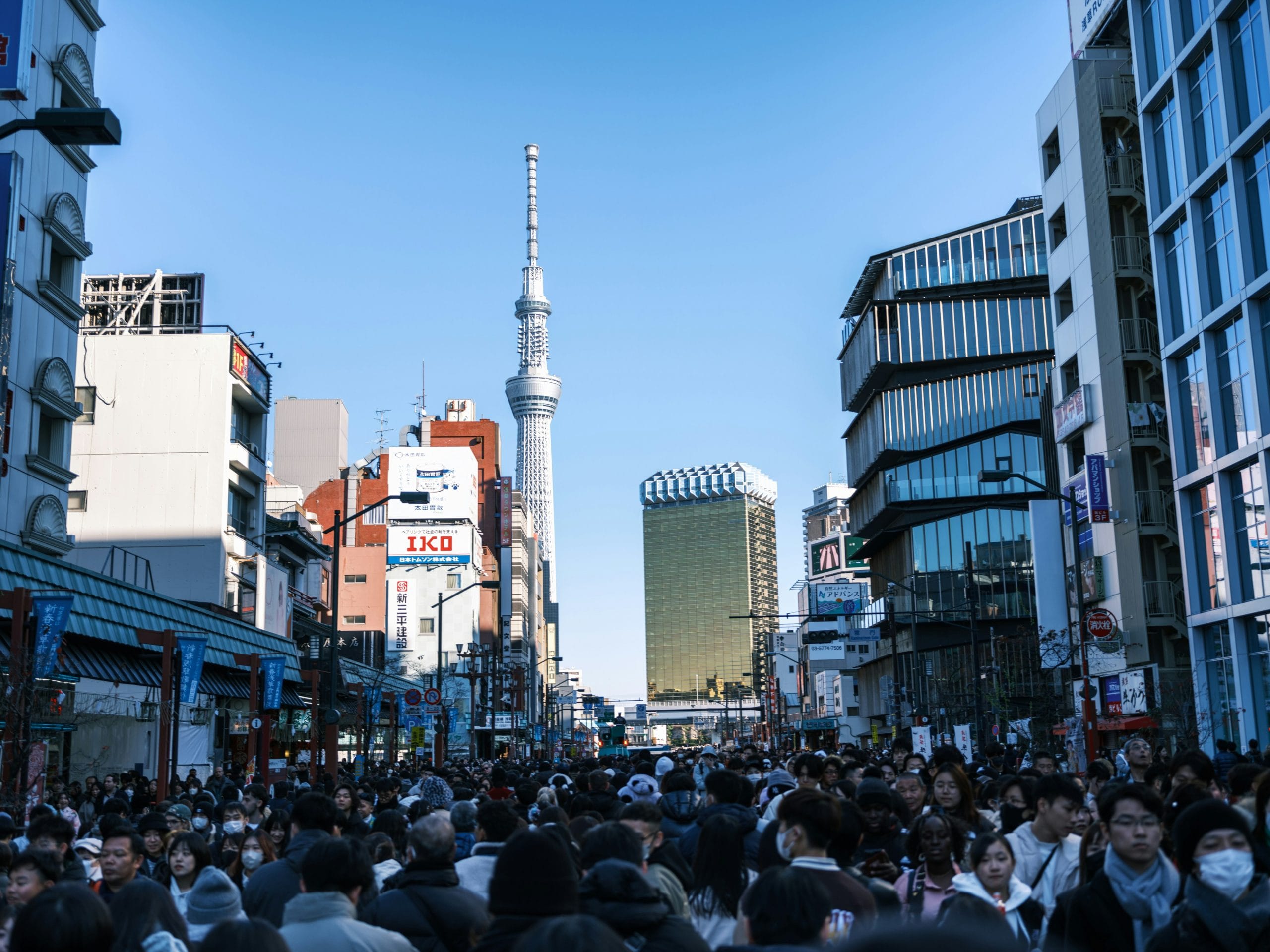
There’s a special kind of quiet confidence in Japan: not the thunderous, spotlight-stealing charisma you see on a magazine cover, but the calm assurance of a timetable that runs to the second, a service that anticipates your needs before you open your mouth, and a boardroom ritual that has already, months earlier, decided what looks like a sudden “yes.” In Japan, we worship the system — the invisible choreography — a bit more than the flashy individual who promises a revolution. That preference shows up everywhere: in customer service, in how policies are made, and in the physical arteries of daily life like trains and sewers. Let me show you how that looks up close, and why it matters.
Start with the small theater of hospitality. The Japanese word omotenashi gets tossed around by hotels and tourism boards, but it’s not marketing fluff — it’s a social script: anticipate, prepare, and execute without expecting applause. The Japan National Tourism Organization sums this up as a hospitality that reads your needs and acts beforehand, with humility rather than performance. The result is service that feels seamless because the system — training, tacit knowledge, tiny rituals — is doing the heavy lifting, not a single dazzling attendant.
This structural preference extends into the workplace where the cult of the lone visionary seldom thrives. Japanese firms prize processes like kaizen (continuous improvement) and the Toyota Production System — methods designed to eliminate waste, distribute responsibility, and make good work repeatable. These aren’t bureaucratic shackles so much as cultural commitments to reliability: ideas are tested, refined, and embedded into routines so that success doesn’t depend on the presence of one capable leader. Toyota’s own materials make clear that their system is about institutionalized practice — the plan, the check, the tiny daily corrections — rather than charismatic rhetoric.
The political mirror shows the same reflection. Japanese decision-making often moves by consensus-building rituals such as nemawashi — literally “going around the roots,” preparing the ground before the official meeting. That phrase describes careful private consultations, slow alignment, and a public face of unanimity when decisions appear. It’s a way to ensure predictability and minimize disruptive surprises; the system of consultation is trusted more than a charismatic minister storming ahead with unilateral promises. Scholars and observers note that nemawashi is less about secrecy than about the social mathematics of buy-in: systems of relationships and pre-discussion that create durable consensus.
You can see the payoff in infrastructure — and in a national temperament about delays. Japanese railways are famously punctual; the cultural and corporate response to a few seconds’ discrepancy can be a formal apology and a carefully worded explanation. Those episodes aren’t vanity; they’re reflections of an ecosystem that values predictable outcomes: timetables, maintenance cycles, and standardized responses to disruptions. The trains don’t run on charisma; they run on layers of procedures that anticipate the messy parts of life — and on a public that believes those layers will hold.
Contrast that with cultures where leaders get credit for “vision” and disruption. In many Western narratives, the charismatic founder is heroic: a solitary figure who breaks molds and rallies people with speeches. That model prizes boldness and the ability to sell a future. It can produce dramatic leaps — but it also concentrates risk. If the leader is wrong, the organization can lurch. Japan’s system-first orientation trades some dramatic upside for steadier compound returns: incremental improvements, redundancy, and institutional memory that is less likely to disappear after one fallible human leaves. For companies and societies that prefer lower variance and higher predictability, that trade is sensible.
That’s not to say Japan despises leadership. Leaders matter here; they are expected to exemplify restraint, know the ropes, and be architects of systems rather than showmen. Leadership is often judged by how well someone maintains reliability and fairness, not how many headlines they command. The social infrastructure rewards the person who quietly ensures the process works — the manager who codifies a workflow that stops errors rather than the CEO who stages a grand product reveal.
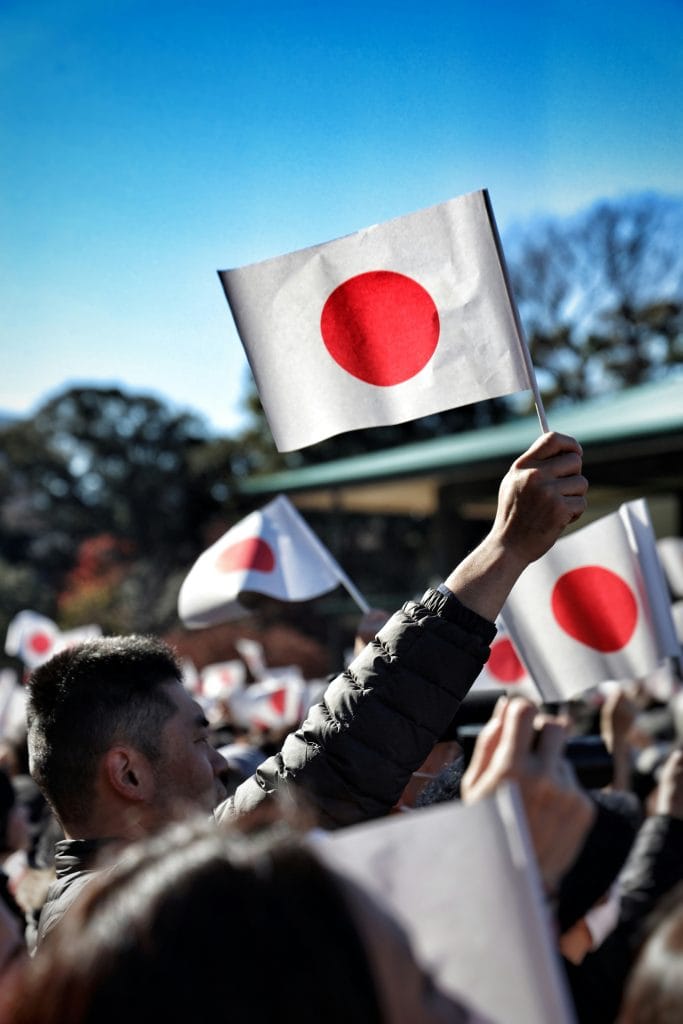
Practical examples pile up. Customer-service workers are trained to notice the half-empty cup, the crumpled umbrella, the small sign of discomfort — then correct it before complaint or applause. Factories institutionalize suggestions from the shop floor (kaizen) so improvements become collective property. Corporations and bureaucracies adopt long-term orientation and high uncertainty avoidance — cultural tendencies repeatedly measured by cross-national studies — that tilt institutions toward planning, risk mitigation, and durable standards. These cultural dimensions don’t explain everything, but they help make sense of why systems get so much trust here.
There are costs, of course. Systems can calcify; consensus can be slow; incrementalism can miss radical opportunities. Critics point out that a heavy reliance on established processes makes rapid reinvention harder. Japan’s recent economic and demographic challenges have highlighted these trade-offs: when nimble, risk-taking disruption is needed, rigid adherence to process can stifle agility. Yet even those critiques often assume the problem is personality, when the truth is more subtle: Japan’s strengths are systemic, and the question is how to update systems faster without losing what makes them reliable.
For visitors and observers, the lesson is not to romanticize or to vilify. Think of Japanese society like a superbly tuned orchestra: everyone practices the score until performance is near-perfect, and the conductor is often a facilitator rather than a showman. When you experience this in a restaurant, a train station, or a corporate meeting, what you’re seeing is a cultural calculus that values repeatability, mutual obligation, and the quiet dignity of things that work. In a world that sometimes overvalues the flashy, Japan’s devotion to systems is a useful corrective: it argues that trust can be engineered — not just inspired.
If you want a practical takeaway: when you design for reliability, assume users will notice the seams if you don’t hide them well; make small improvements relentlessly; and remember that a distributed process that empowers many hands is often more resilient than a single charismatic grip. That’s the Japanese way: not a claim that personality is irrelevant, but an insistence that predictability and fairness are worth the disciplined work of building systems that outlast any one person.
So next time a train leaves a few seconds early and a clerk bows and apologizes — don’t be shocked. It’s less about guilt and more about a cultural reverence for the system that makes daily life run like clockwork. And if you prefer applause, wait for the encore; in Japan, the encore is usually a quietly improved process the next morning.
References & further reading: Japan National Tourism Organization on omotenashi; Toyota’s official materials on the Toyota Production System; analysis of nemawashi and consensus in Japanese organizations; Time/press coverage on Japanese train punctuality; and summaries of kaizen and cultural dimensions (Hofstede)
