
There is a particular moment that happens to almost every visitor in Japan.
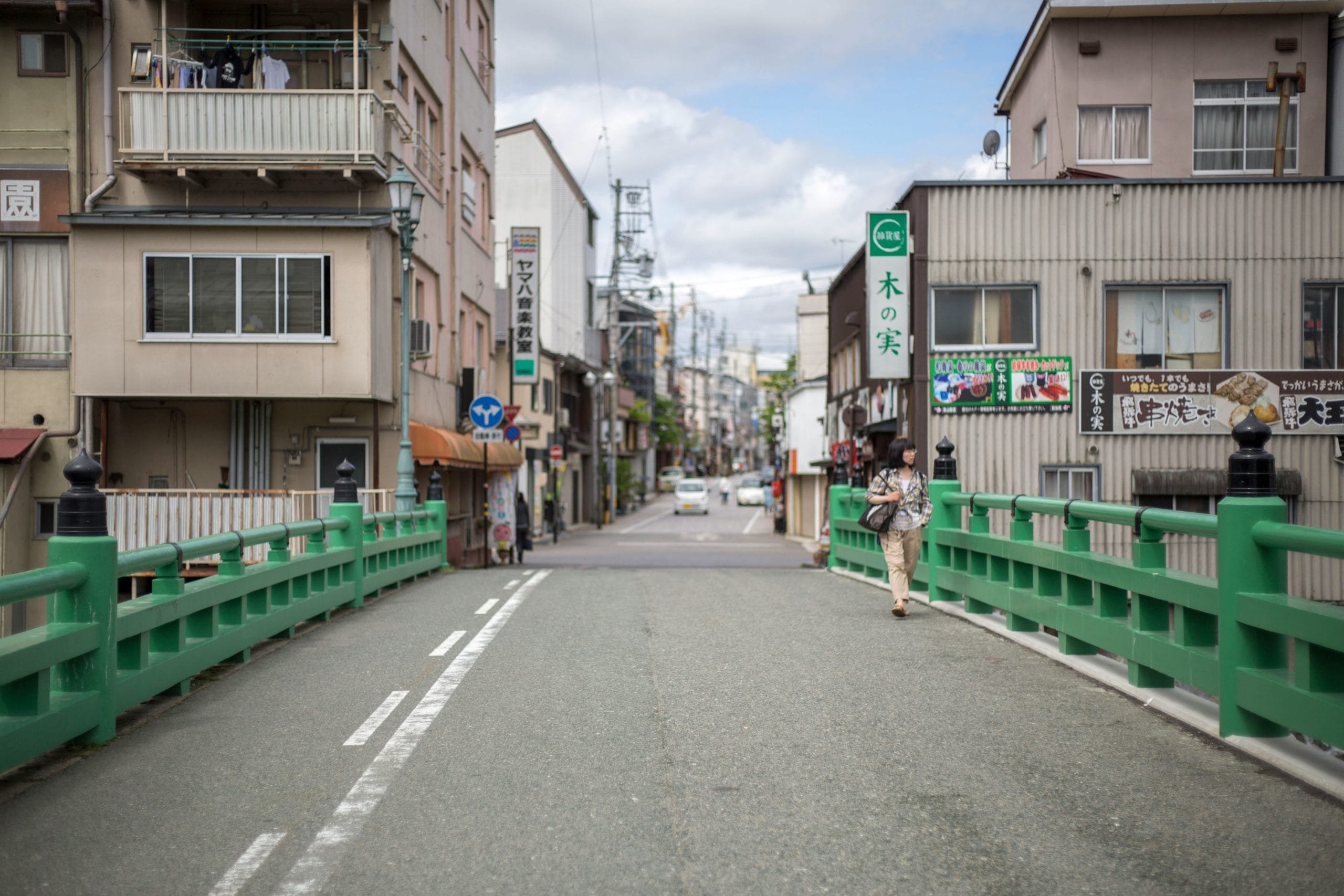
You’re walking through Tokyo at rush hour. Millions of people. Convenience stores on every corner. Coffee cups consumed, snacks unwrapped, umbrellas discarded by the rain gods themselves.
And yet—
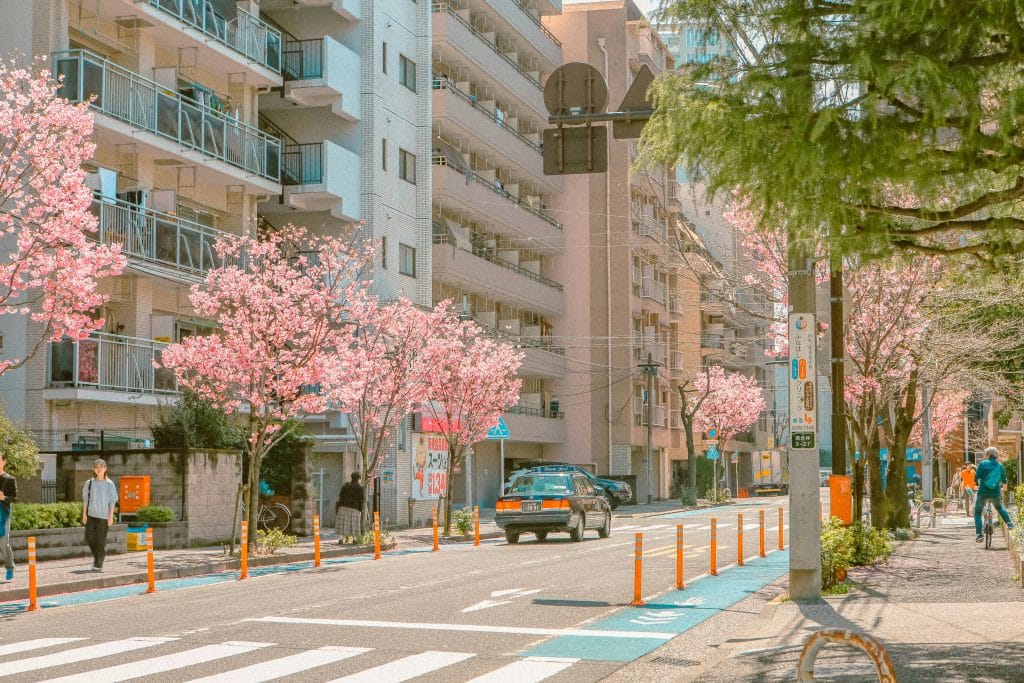
No trash.
No bins.
No chaos.
At some point you stop walking and think, Where is everything going?
The answer, inconveniently, is: you.
The Illusion of Cleanliness
Let’s begin with a small confession: Japanese cities are not magically cleaner than anywhere else. Dirt exists. Dust settles. People spill things. Life happens.
What Japan excels at is not cleanliness — but cleanliness management.
The streets feel clean because mess rarely becomes visible, public, or someone else’s problem.
In many Western cities, cleanliness is a municipal performance. Trash cans appear every few meters. Street cleaners arrive on schedules. The system quietly promises: Don’t worry. Someone will deal with it.
Japan makes a different promise:
Please deal with it yourself — and we trust you to.
This difference changes everything.
The Disappearing Trash Can Mystery
The absence of public trash cans often shocks visitors. After all, didn’t Japan remove many bins after the 1995 sarin gas attacks? Yes — but that’s only part of the story.
Trash cans didn’t just disappear. Responsibility shifted.
Instead of public disposal, Japan relies on:
- Carrying trash home
- Sorting waste meticulously
- Disposing of it at specific times and locations
This system works not because Japanese people are inherently virtuous, but because the social cost of being careless is higher than the inconvenience of carrying trash.
Throwing something away improperly doesn’t feel rebellious. It feels… embarrassing.
Anthropologist The Chrysanthemum and the Sword famously described Japan as a “shame-based” culture — a simplification, but a useful one here. Cleanliness is enforced less by punishment and more by quiet social expectation.
No one will yell at you.
But someone will notice.
And that’s usually enough.
Personal Responsibility as Urban Infrastructure
In Japan, cleanliness begins at the individual level, long before the city steps in.
Children clean their own classrooms. Office workers tidy shared spaces. Neighborhood associations organize regular sweeping days.
This isn’t symbolic. It’s foundational.
When you grow up cleaning your own school floor, it becomes very difficult — psychologically — to litter a public street. The street feels like an extension of your living room.
Sociologist The Anatomy of Dependence introduced the concept of amae — mutual reliance. Clean public spaces rely on a shared understanding that everyone is quietly holding up their end.
Western systems often assume that people will act carelessly unless controlled by infrastructure. Japanese systems assume people will act carefully because of social belonging.
Different assumptions. Different outcomes.
Invisible Labor: The People You Don’t See
Here’s the part that gets overlooked in praise-heavy articles: Japanese cities are clean because of enormous amounts of invisible labor.
Cleaning staff work early mornings, late nights, and between train schedules so efficiently you almost never notice them. Their uniforms are neat. Their movements precise. Their presence respectful.
And crucially — their work is socially valued.
In many Western countries, sanitation labor is either ignored or openly disrespected. In Japan, it carries dignity. Train cleaners bow. Airport cleaning teams are celebrated for speed and excellence. There is pride in maintaining shared spaces.
The ethic here is not “cleaning up after others,” but “maintaining order for everyone.”
This distinction matters.
Why No One Panics Without Bins
You might assume that removing trash cans would create disaster. In many places, it would.
But Japan doesn’t rely on convenience to maintain order — it relies on predictability.
People plan their trash disposal the way they plan train routes. You know when you’ll get home. You know where bins exist (usually near vending machines or convenience stores). You know how to separate waste properly.
Chaos emerges when expectations are unclear. Japan is exceptionally good at making expectations quietly obvious.
Compare this with Western cities where:
- Trash cans overflow
- Recycling rules vary wildly
- Responsibility feels abstract
When responsibility is diffuse, mess multiplies.
Cleanliness as Social Courtesy
Cleanliness in Japan is not framed as morality. It’s framed as consideration.
Leaving trash behind creates inconvenience for someone else — and causing inconvenience is one of the great social sins. It’s the behavioral equivalent of talking loudly on a train.
This is why Japanese cleanliness feels effortless. It’s woven into daily etiquette, not enforced as virtue.
I once watched a man chase after a stranger who had dropped a receipt — not out of heroism, but mild panic at the idea of unclaimed paper disturbing the sidewalk.
No applause. No eye contact. Problem solved.
Western Models: Outsourcing Order
In many Western cities, cleanliness is something you pay for.
Taxes fund sanitation departments. Workers arrive to clean after festivals, protests, weekends. Citizens participate passively.
This isn’t wrong — it’s just different.
The Western model says:
“Live freely. We’ll clean up later.”
The Japanese model says:
“Live considerately. We’ll barely need to clean at all.”
Both are philosophies. Both reflect deeper values about individual freedom versus collective harmony.
The Quiet Discipline of Everyday Life
Japanese cities feel clean because they are designed around restraint — visual, behavioral, and social.
- Less packaging left behind
- Fewer public eating messes
- Lower tolerance for disorder
- Higher awareness of shared space
Cleanliness here is not obsessive. It’s economical.
Nothing extra. Nothing wasted. Nothing abandoned.
Clean Doesn’t Mean Sterile
And no — Japan is not sterile.
Alleyways age. Concrete stains. Cigarette butts appear where smokers gather. Reality leaks in, as it must.
But what you rarely see is abandonment — the sense that mess no longer belongs to anyone.
In Japan, mess always belongs somewhere. And usually, to someone.
The Takeaway Most Visitors Miss
Japanese cities don’t feel clean because people love rules.
They feel clean because people understand their role in the system.
No bins doesn’t mean no order.
Less enforcement doesn’t mean less care.
Invisible labor doesn’t mean unimportant labor.
Cleanliness here is not a performance. It’s a relationship.
And once you experience a city where everyone quietly takes responsibility — even when no one is watching — you realize something unsettling:
Clean cities aren’t built by infrastructure alone.
They’re built by expectations.
And those, unlike trash cans, are much harder to install overnight.
