

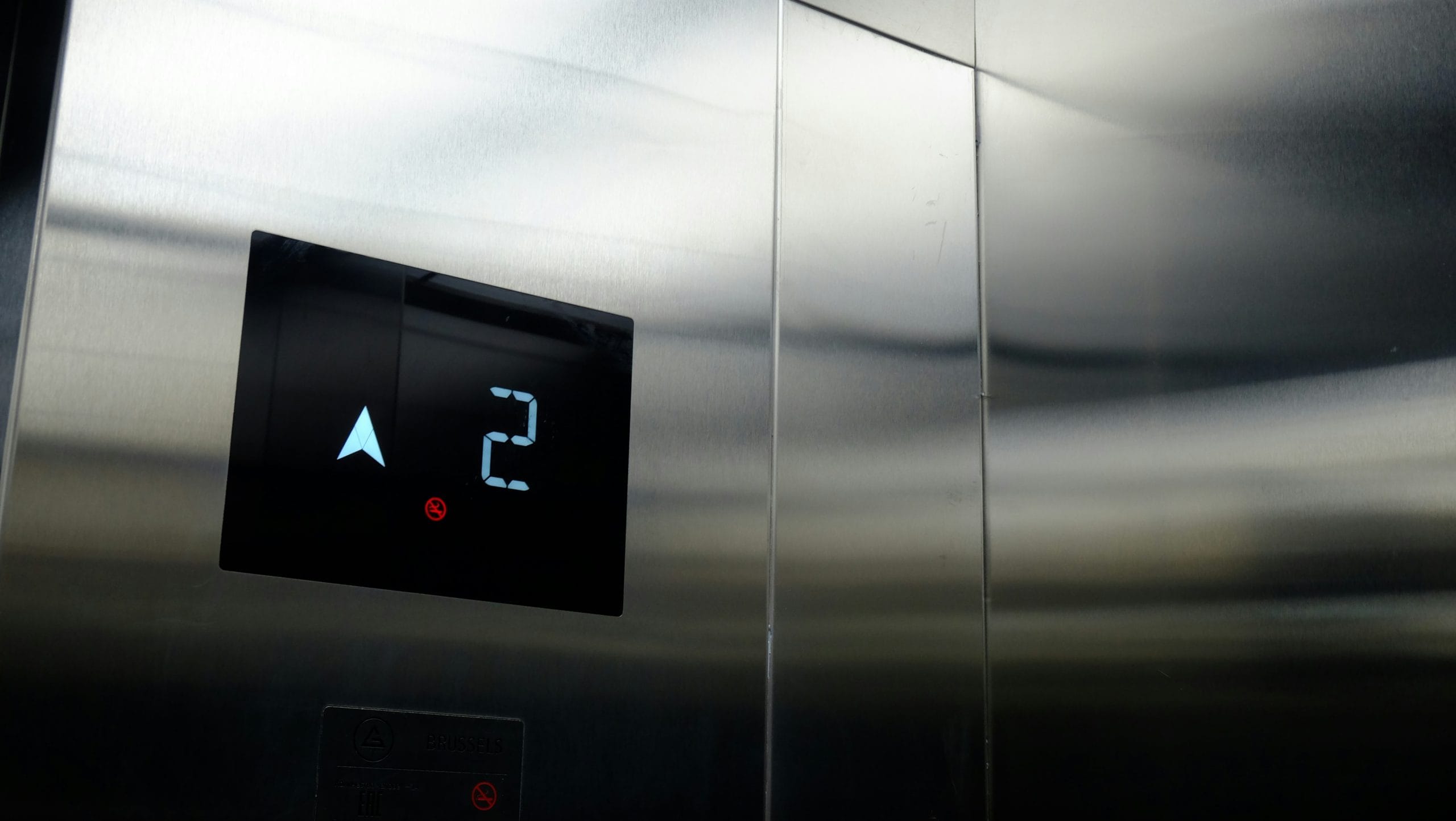
There is something quietly theatrical about stepping into a Japanese elevator. The doors sigh shut, the overhead light is soft and impartial, and the tiny stainless-steel stage holds its breath. People arrange themselves as if the space were a tiny tatami room—careful, economical, deferential. For a foreigner used to the conversational tumbleweed of Western lifts (the brief “how are you?” from a stranger that no one expects to answer), Japan’s elevator choreography looks more like a well-rehearsed silent film. But that silence is not emptiness; it’s an etiquette with rules, hierarchies, and timing as precise as a train schedule.
First rule: let people out before you squeeze in. This is basic, but in Japan it’s practiced with the kind of unspoken communal logic you usually only see at a supermarket checkout. If someone is moving toward the door, you step to the side and make room so they can exit—no blocking, no elbowing. This courtesy is reinforced in public guidance and living guides issued for newcomers; Tokyo’s official materials about daily manners explicitly highlight the need to avoid inconveniencing others in confined spaces like elevators.
Second rule: become the “elevator boss” if you’re first in. There’s a small, quiet authority given to the person who first steps in when the car is empty. They’ll often stand facing the buttons, press the floor for others, and—without any announcement—manage the flow: holding the door, angling their body so latecomers have room, sometimes even pressing the button to send the elevator back to the lobby once they get off. It’s not bossy in a Western sense; it’s an accepted, practical form of social caretaking. You’ll find this behavior listed among everyday tips in expat and local guides about Japanese elevator manners.
Silence is not awkwardness; it’s civil inattention. Social scientists call part of this behavior “civil inattention”—a polite, deliberate form of ignoring others so everyone can maintain face and privacy. In Japan, where urban density compresses personal space, civil inattention becomes choreography: minimal eye contact, small nods at most, and refraining from striking up conversation in transient, shared spaces. Scholars treating elevators as an example of transit space point out that the small, enclosed box amplifies cultural expectations about privacy and restraint. The silence inside an elevator is therefore meaningful: a negotiated acoustic agreement to not intrude.
Hierarchy and timing: where you stand matters. Positioning in an elevator is not random. If a senior colleague or an older person steps in, many will instinctively yield a spot nearer the door or offer the best place for them to stand. There’s also timing etiquette—if someone’s rushing to catch the lift, it’s not unusual to see another passenger subtly press the close-door button for them, or—more characteristically—to press the button for a lower floor so the car will return to the lobby quickly after they disembark. These small acts are not performative; they’re practical kindnesses embedded in everyday social currency. Some of these practices have even been described in neighborhood and tourism guides as ways the Japanese navigate tight spaces thoughtfully.
An anecdote: the day I learned about “first-floor kindness.” I live in an old apartment block in Tokyo where the elevator fits approximately three people and one potted plant. One winter evening the car stopped at my floor and I stepped out; behind me, an older neighbor—always neat, always hat-on—had been waiting. Before the doors closed, a young man who had boarded a few floors earlier tapped the “1” button. “For you,” he said, with a tiny bow. The neighbor smiled, touched his forehead by habit and gratitude (a private gesture made public for a second), and the man slipped out into the corridor. That single button press—a small courtesy meant to save a few seconds of waiting—felt like a miniature Japanese poem about communal rhythm. Guides recommending the “press the first-floor button” trick capture this: it’s a local move to keep the building running smoothly for others.
Contrast with Western elevators and their social experiments. In many Western settings, elevators are where tiny social rituals get tried on—small talk about weather, a smirk, an awkward exchange about floors, a stare down that feels like an audition. Eye contact can be used to break the ice; sometimes a passenger will deliberately ask, “Going to the tenth?” as a way to start conversation. In Japan, that same question is often unnecessary—and sometimes rude—because starting a conversation in a transitory shared space risks imposing on someone’s privacy. Western elevator etiquette tends to accept small talk as the default filler for the otherwise uncomfortable silence. In Japan, silence is the filler; words are reserved for when they are useful, not when they are merely polite. No one is “being cold” — they are deliberately respecting separations of space and obligation.
There’s also a practical engineering side that shapes behavior. Japan’s urban design and elevator use have been studied in crowd-management and human-facility interaction research; elevators aren’t just social boxes but engineered systems that interact with human timing and expectations. The more a culture trains people to consider others’ movement, the smoother the elevator’s social logic becomes—hence the quiet efficiency you notice in Japanese lifts, especially in office blocks and apartment buildings. Recent studies into human-facility interaction and elevator crowd behavior see elevators as sites where design and culture meet; the result is both technical and social choreography.
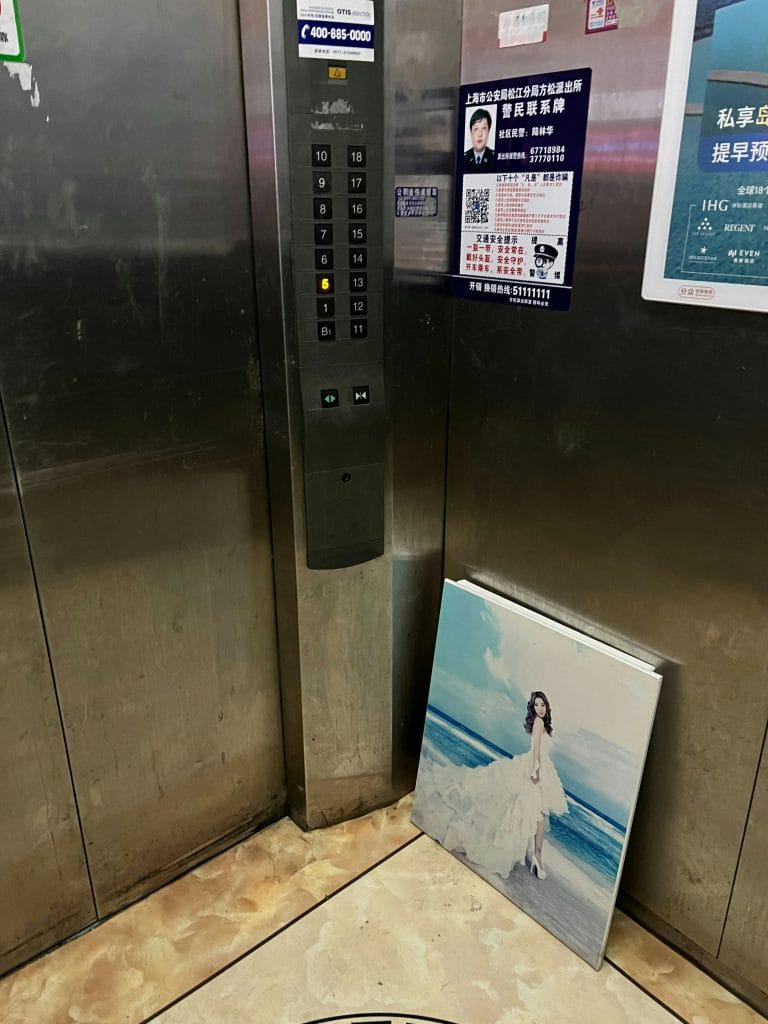
A few concrete tips if you want to blend in without becoming eerily robotic:
• Wait for people to exit; don’t barge in. (Yes, even if you’re late.)
• If you’re first in, be willing to press floors for others and subtly manage space. You get unofficial rights as “elevator boss.”
• Keep conversation to a minimum in public/multi-use elevators—don’t assume small talk will be welcome.
• Offer the elderly or those with strollers a convenient spot; that tiny courtesy counts.
Of course, Japan isn’t monolithic. You’ll hear laughter in an elevator after a late-night izakaya; you’ll get chatty tourists and bilingual students who treat silence as a puzzle to solve. Regional differences and international zones (airports, tourist hotels, international workplaces) allow more of the Western elevator traits to reappear—brief eye contact, small talk, and the odd shared complaint about floor buttons that never seem to work. But even then, the prevailing logic is polite restraint: talk when it matters, otherwise preserve each person’s personal bubble.
The Japanese elevator, then, is a microcosm: a tiny room that reveals how a culture manages public intimacy. The rules—positioning, silence, hierarchy, timing—are not onerous taboos. They are a set of miniature social tools for moving through shared life without friction. For someone who grew up with personal space as a negotiable commodity, the Japanese approach can feel oddly generous: by not intruding, you are making room for someone else’s calm.
If you want to test it, try this next time: ride an elevator in Tokyo without your headphones, stand near the buttons if you’re first in, and resist the urge to say “nice weather.” Press the button for the first floor just before you step out. You may get nothing but a quiet nod, or you may get a tiny, perfectly-timed thank you. Either way, you’ll have participated in a social contract that turns a cramped metal box into a polite, well-ordered pause in the day.
In the end, Japanese elevator etiquette reminds you that civility isn’t always noisy. Sometimes it’s a silence so carefully arranged it hums with respect. And when you learn to read that silence—its timing, its pauses, its subtleties—you begin to see how much of daily life in Japan is composed of these small, soft negotiations that keep public life moving smoothly.
