

In Japan, time does not simply pass.
It changes outfits.
Every three months—sometimes more often, depending on the weather’s mood—the country quietly dismantles itself and rebuilds anew. Menus dissolve. Packaging reincarnates. Shop windows swap personalities overnight. Even the fonts on chocolate boxes seem to bow politely and say, Thank you for winter. Please enjoy spring.
This is not metaphor. This is logistics.
I noticed it as a child when my grandmother would sigh dramatically in front of the refrigerator, announcing, “It’s no longer season,” and banish a perfectly edible ingredient as if it had committed a moral crime. Later, living abroad, I realized how radical that mindset is. In many Western countries, strawberries are eternal. Pumpkins exist year-round, mostly as decorative suggestions. Time, culinarily speaking, is flexible.
In Japan, time is punctual—and seasonal.
The Calendar That Actually Runs the Country
Officially, Japan has four seasons. Unofficially, we operate on closer to twenty-four micro-seasons, a concept rooted in classical calendars and still reinforced today by institutions like the Japan Meteorological Agency, which tracks seasonal shifts with the seriousness of a surgeon.
This obsession filters down everywhere.
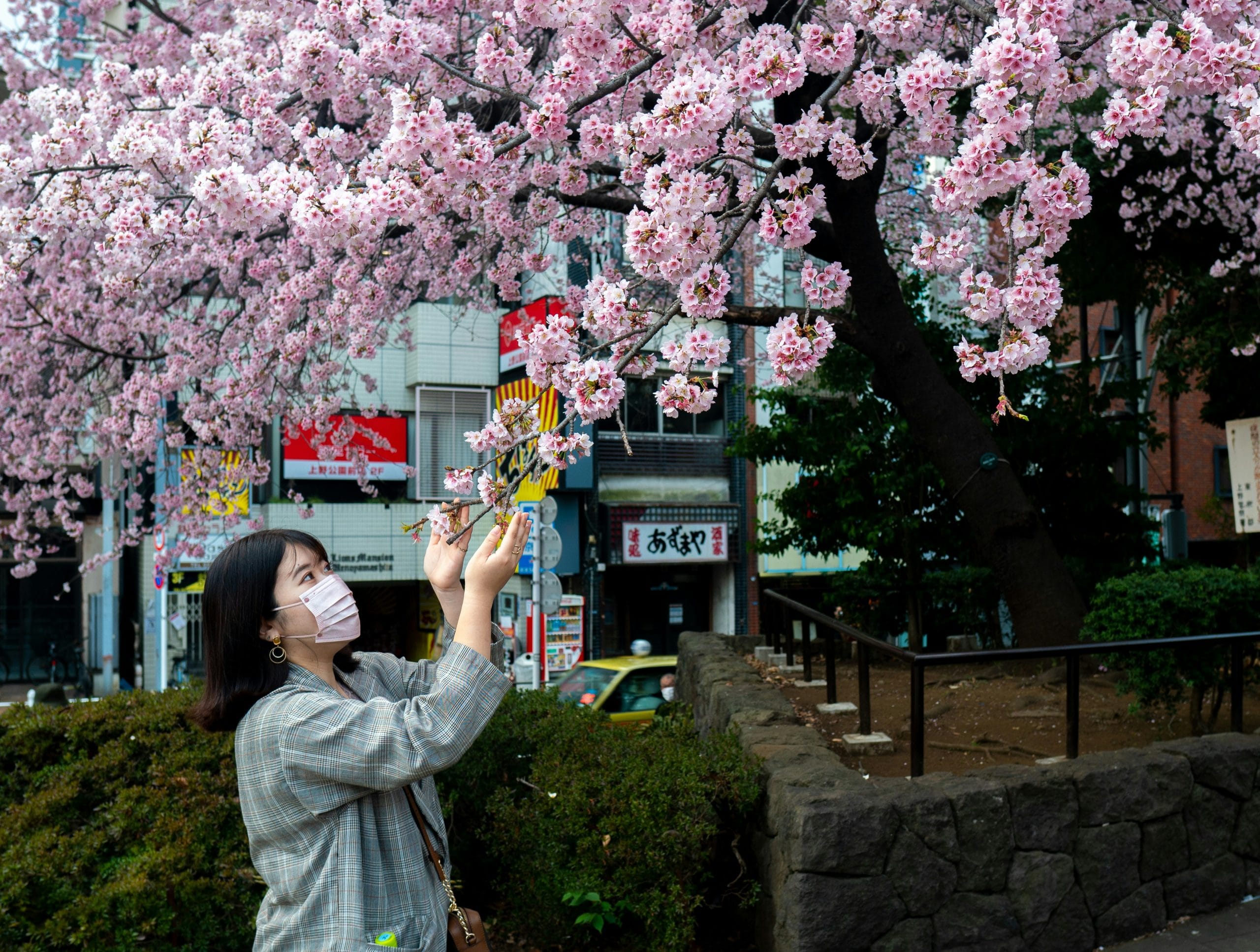
When the agency announces the sakura zensen—the cherry blossom front—it’s not just a weather update. It’s a national permission slip. Cafés roll out pink menus. Beverage companies blush. Confectioners panic slightly, then deliver magnificently.
The idea is simple but strict: if something belongs to a season, it must leave when the season ends.
And it must not overstay.
Spring: Pink Fever and the Art of Disappearing Products
Spring in Japan smells like anticipation and plastic wrap.
Cherry blossom season—sakura—is famously short. A week, maybe ten days if we’re lucky. That fragility is precisely the point. Everything connected to it is temporary by design.
Convenience stores transform into pastel galleries. Snacks bloom with pink typography. Even beer labels flirt with floral poetry. Companies like Starbucks Japan release sakura drinks that taste faintly of nostalgia and sugar, then remove them without apology.
This is not poor planning. This is discipline.
In the West, successful seasonal products often become permanent. In Japan, popularity is not a reason to stay. If anything, it’s a reason to leave while you’re still loved. Scarcity sharpens memory.
I once watched a tourist angrily ask a barista why the sakura latte was gone “already.” The barista smiled gently, the way one does when explaining death to a houseplant.
Summer: Survival Mode, But Make It Stylish
Summer arrives abruptly, like a humid ambush.
Suddenly everything tastes like citrus, salt, or survival. Menus pivot to cold noodles and shaved ice. Packaging turns blue and translucent, visually whispering, Please don’t faint.
Clothing racks empty out dark colors as if embarrassed by them. Linen takes over. UV protection becomes a moral responsibility.
Western summers often celebrate abundance—barbecues, overflowing plates, endless daylight. Japanese summer is about endurance. Products are engineered to cool you down, hydrate you, or help you endure the train without losing faith in humanity.
And when summer ends, all of it vanishes.
Cold soba remains, of course—but the tone changes. The lemon-flavored everything? Gone. Replaced by roasted things that feel emotionally grounding.
Autumn: Sweet Potatoes, Nostalgia, and Acceptable Melancholy
Autumn is Japan’s favorite season, emotionally speaking.
This is when sweetness deepens. Chestnut. Sweet potato. Pumpkin (kabocha, the respectable one). Desserts become less flashy and more thoughtful. Packaging shifts to warm browns and golds, like a collective decision to lower the volume.
Companies like KitKat Japan thrive here, releasing flavors that sound like haiku and disappear just as quickly. You learn to buy multiples—not out of greed, but grief prevention.
Western autumn often leans hard into spectacle: pumpkin spice everything, loudly and for months. Japanese autumn is quieter. It trusts subtlety. It assumes you’re paying attention.
And if you miss it? That’s on you.
Winter: Serious Food for Serious Cold
Winter is efficiency with a soul.
Hot drinks multiply. Packaging thickens. Foods become restorative, almost medicinal. Oden appears everywhere, gently simmering like a public service.
Menus grow heavier, warmer, more intentional. Nothing pretends to be light. This is not a season for illusions.
Then, just as you adjust, spring returns—and winter exits cleanly, without lingering clearance racks or emotional closure.
Packaging as Seasonal Literature
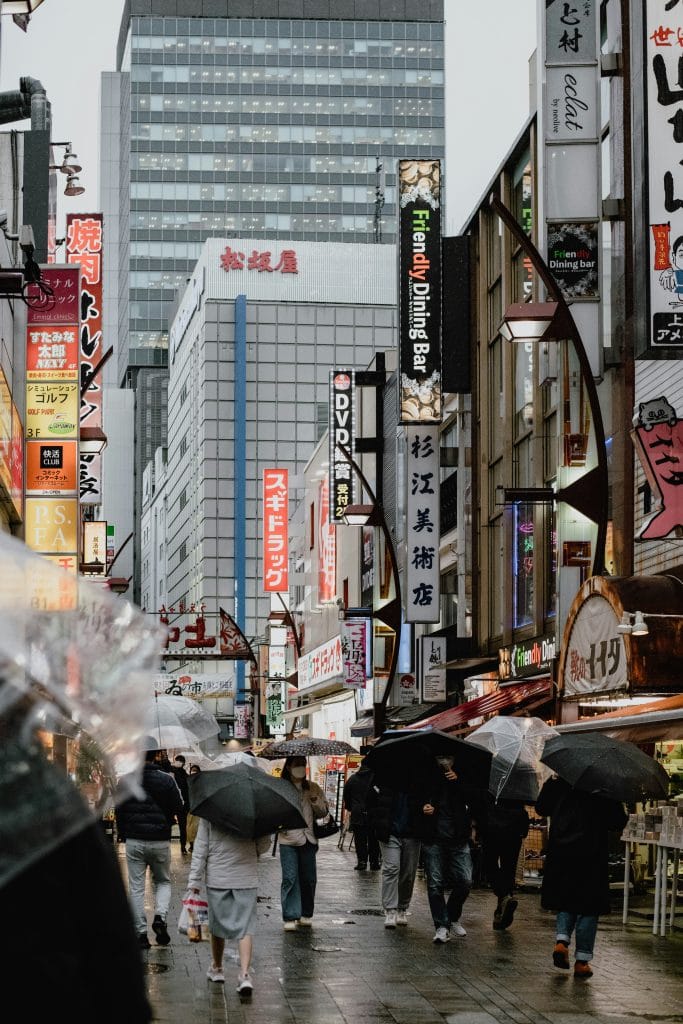
One of the most overlooked aspects of Japan’s seasonal obsession is packaging design. Boxes and wrappers are not merely decorative—they are timestamped.
Seasonal fonts appear and vanish. Illustrations reference specific flowers, leaves, even weather patterns. Designers treat packaging like short stories, not novels.
In the West, branding prioritizes consistency. In Japan, consistency lives in change. The brand remains recognizable, but its seasonal expression evolves—like a person who ages gracefully and changes hairstyles responsibly.
This approach is taught, studied, and reinforced in Japanese design schools and marketing theory, often cited in industry publications and consumer research. Ephemerality is not a bug. It’s the feature.
Why Japan Refuses Year-Round Everything
The Western promise of year-round availability is comforting. Familiar. Efficient.
Japan finds it emotionally flat.
Seasonal limitation creates rhythm. It forces awareness. It turns shopping into participation rather than consumption. You are not just buying a snack—you are acknowledging a moment in time.
When something disappears, you remember it better.
My grandmother understood this instinctively. She never mourned the end of a season. She welcomed the next one with curiosity, not complaint.
“Otherwise,” she once told me, “everything tastes the same.”
The Quiet Luxury of Letting Go
Japan’s seasonal obsession is not about novelty. It’s about restraint.
About knowing when to arrive, and when to leave.
In a world increasingly obsessed with permanence, Japan continues to practice disappearance. Gracefully. Repeatedly. Without explanation.
Every three months, the country resets—not because it must, but because it chooses to.
And if you blink and miss your favorite flavor?
Don’t worry.
Time will come back wearing something else.
