


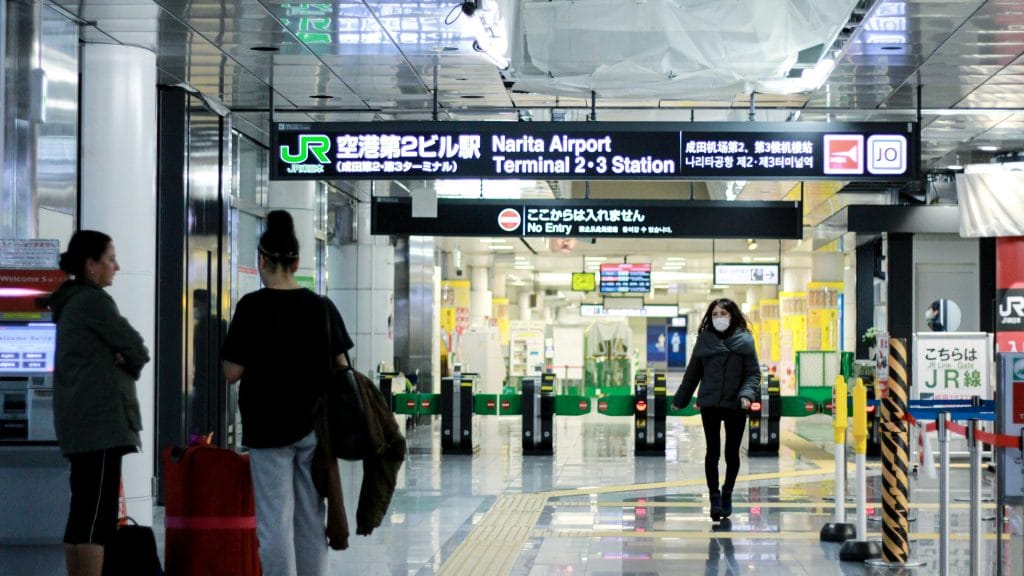
I remember the first time I guided a friend from overseas through Tokyo’s airport: bleary-eyed, dragging suitcases, and desperately hunting for those “Wi-Fi Rental” counters. She emerged half an hour later, bedecked in lanyards, clutching a pocket Wi-Fi device the size of a small brick, cursing the queue, and muttering about “hidden fees.” That was the moment I realized: almost nothing in Japan screams “travel panic” like airport-based internet rentals.
Fast forward to 2025 — and a gentler, smarter option has swept in: the eSIM. It’s quiet, efficient, invisible. No hardware. No queues. And often — if you pick right — cheaper. In this post I walk you through the practical trade-offs among eSIMs, traditional SIM cards, and pocket Wi-Fi for travelers in Japan. Think of it as your “connectivity cheat sheet,” so you arrive ready to post your sushi selfies, map your next temple, or check the train schedule — without frustration, without surprise costs, and ideally before the second wave of jet lag hits.
📶 The Contenders — What Are eSIMs, SIM Cards, and Pocket Wi-Fi?
eSIM
An eSIM is a virtual SIM card embedded in your smartphone (if your phone supports it). Once you purchase a data-plan from a provider online, you receive a QR code (or configuration file), activate it — and voilà, you’re on a Japanese mobile network. No physical card swap. No equipment to rent.
Traditional SIM Card
This is the classic — a physical nano-SIM you insert into your device. For a traveler, this usually means buying a “Japan tourist SIM” at a store, kiosk, or online, then swapping out your home SIM. Works only if your phone is unlocked.
Pocket Wi‑Fi (Portable Router)
A small, battery-powered mobile hotspot you rent (or pre-book) in Japan. Once turned on, it creates a Wi-Fi network that any of your devices — phones, laptops, tablets — can connect to. Great for groups, families, or anyone juggling multiple devices.
The Tradeoffs: Setup, Convenience, and Cost
✅ Ease of Setup & First Impression
- eSIM: Installs in minutes. Many providers deliver the activation credentials via email — so you can set it up before you even leave home. Once you land in Japan, you scan the QR code (or activate via app), and you’re online. No hardware, no rental counters, no returns. That means no airport-counter chaos.
- SIM card: Requires you to obtain a physical card — often at a kiosk or store after arrival, which can consume time. Then you remove your home SIM and insert the Japanese one. It’s manageable, but it feels more old-school, especially if you’re juggling luggage, train schedules, and language barriers.
- Pocket Wi-Fi: Usually involves physical pickup (often at the airport), rental paperwork, and later, returning the device via a drop-off counter or mail. For a first-day arrival, that can be a hassle — especially if your flight is late, you’re jet-lagged, and you just want to grab a SIM card and wander off.
In short: eSIM = smooth & almost invisible. SIM card = “meh, old familiar.” Pocket Wi-Fi = … hope you have time and patience.
💴 Cost and Flexibility
Budget is often the invisible third wheel in every suitcase. Here’s how the numbers shake out in 2025:
- For many travelers, eSIMs tend to be the cheapest option. Some Japanese-market eSIM plans run as low as the equivalent of a few dollars per day for multi-day packages.
- On the other hand, pocket Wi-Fi typically costs $3–$7 per day (depending on plan and rental length), with a weekly to monthly cost scaling up significantly.
- For longer stays, or heavy data use, Pocket Wi-Fi can become expensive — especially if you need an “unlimited” plan, or if there are hidden fees (deposit, late return, battery-pack rental, etc.).
- However: if you have multiple devices or travel companions — say a family or a group — Pocket Wi-Fi becomes more cost-effective per person, because everyone shares a single device.
Some planners even note that eSIM often “wins” on value for solo travelers or couples, while Pocket Wi-Fi shines for groups or multi-device users.
🔄 Reliability, Coverage & Real-World Performance
- eSIMs: Because you connect directly to local Japanese mobile networks (from major carriers or MVNOs that partner with them), the coverage is often excellent. Many providers promise near-nationwide reach — so whether you’re in central Tokyo or a rural hot-spring town, you’re likely to stay online.
- Pocket Wi-Fi: Coverage depends on where you are — in most cities it’s reliable (since the device itself connects to the same underlying networks), but its usefulness drops if you wander far from your router — or if the battery dies. You also need to carry the device with you; it’s another object to manage, charge, and not lose.
- SIM card: In terms of speed and reliability, it’s similar to eSIM — once inserted, you get direct access to the mobile network. But you lose the convenience of multiple profiles (as with eSIM) and sometimes get stuck if your device is locked.
Thus, if your phone works with eSIM, you’re likely to enjoy the cleanest, most reliable connectivity — without extra devices, cables, or rental returns.
✈️ The Airport Rental Drama — vs. Instant Activation Zen
Remember the chaos I described at the top? It’s real. In high-season or around major festivals, those airport rental counters get jammed. Late flights = long lines. Flight delays = anxious people watching the clock while filling forms. Miss your return flight because you forgot to drop off the device or misread the return envelope address. I’ve seen it enough to believe there should be a travel horror movie documentary titled “The Pocket-WiFi Rental That Almost Ruined My Trip.”
By contrast, the eSIM is almost anti-drama. Scan a QR code on your phone, click “install,” wait a minute — done. No queues. No hardware to return. No extra lanyards. It’s so simple, I sometimes feel I’m cheating the system.
Providers market it exactly that way: as a “plug-and-play” solution for modern travelers.
🧳 So — Which Option Should You Pick?
Here’s a quick decision-matrix:
| Your Situation | Best Fit |
|---|---|
| Solo or 2 people; short trip (1–14 days); want convenience, minimal fuss | eSIM |
| You have an older/unlocked phone, or prefer physical SIMs, or want a fallback | SIM card |
| You travel with family or group; multiple devices; heavy data use (streaming, video calls, maps) | Pocket Wi-Fi |
| Heavy data + multiple devices + long stay, willing to carry router & battery | Pocket Wi-Fi (or hotspot from eSIM/SIM) |
A few side notes:
- If you pick eSIM or SIM, you can usually share your phone’s hotspot — effectively turning your phone into a mini pocket-WiFi. That’s great for two or three devices.
- If you go with Pocket Wi-Fi, check battery life and return rules. Some routers only last 6–8 hours, so you might also carry a power bank. And don’t forget to pre-book during busy travel seasons — stock runs out fast.
🎯 Why eSIMs Are Rising — And Seem Built for 2020s Travel
- Convenience becomes luxury — Jet-lagged, suitcase-laden travellers don’t want to hunt for a kiosk or stand in line. eSIM is activation in minutes, ideally before you land.
- Predictable cost — No deposits, no hidden “insurance” or “late return fees,” and often cheaper than renting hardware.
- Device-free travel mindset — Minimalist packing, less to carry, less to lose. For someone like me who shoots Tokyo at dawn, edits photos on the fly, and still needs to check the train schedule — the fewer gadgets, the better.
- Growing provider support — More Japanese services now support eSIM for tourists, with plans optimized for short stays, data use, and compatibility across Android and iOS.
- Flexibility & scalability — If your trip extends, many eSIM plans let you top up or switch carriers without hunting for another physical SIM.
In short: eSIMs are rising because they align with how we travel now — light luggage, heavy data, minimal friction.
⚠️ A Few Warnings & When to Think Twice
- Device compatibility matters: Your phone must support eSIM and be unlocked. If not — your fallback is a SIM card or pocket Wi-Fi.
- Data limits & “unlimited” caveats: Even if a plan says “unlimited,” some providers impose “fair usage” policies — which may throttle speeds after a certain threshold.
- Battery & range tradeoffs (for Pocket Wi-Fi): If you wander far from the hotspot, or forget to charge, wireless goes dark.
- Multiple devices? Sharing a hotspot works — but if you have many devices (or people), a dedicated Pocket Wi-Fi or multiple eSIMs might still be better.
✨ My Take — What I Use (And Why)
Being a photographer with unpredictable hours, hopping between cafés, parks, shrines, and train stations… I choose eSIM.
I can activate it mid-airplane, check my itinerary as soon as I land, upload a photo right after I snap it, and never worry about lost routers or returning anything. For a short-to-medium trip (7–14 days), it’s almost always the smartest move.
If I were traveling with friends or family — multiple devices, kids, laptops — then maybe I’d blend an eSIM (for my phone) with a shared pocket Wi-Fi (for the rest). But for my solo rhythm — eSIM wins, hands down.
🧭 Final Word: No One-Size-Fits-All — But You Can Choose Smart
Japanese public-WiFi may still be patchy, public data roaming is usually pricey, and relying on café Wi-Fi? That’s a gamble if you’re trying to navigate a late train or read up on temple history before visiting. In 2025, the choices are clearer: eSIM, SIM card, or pocket Wi-Fi — each with its own flavor.
If you want to land, breathe, and click your phone on — choose eSIM.
If you prefer the physical piece of tech swapped in and out — choose SIM card.
If you’re with a group, juggling multiple devices, or just streaming yet-another onsen video — Pocket Wi-Fi still holds value.
So book that flight, pack your camera, and pick the connectivity style that fits not just your data — but your travel style. After all, the less time you spend wrestling with routers and rental desks, the more time you have to sip matcha and catch that golden hour on Shibuya’s crossing.
いってらっしゃい — have a lovely trip.
