

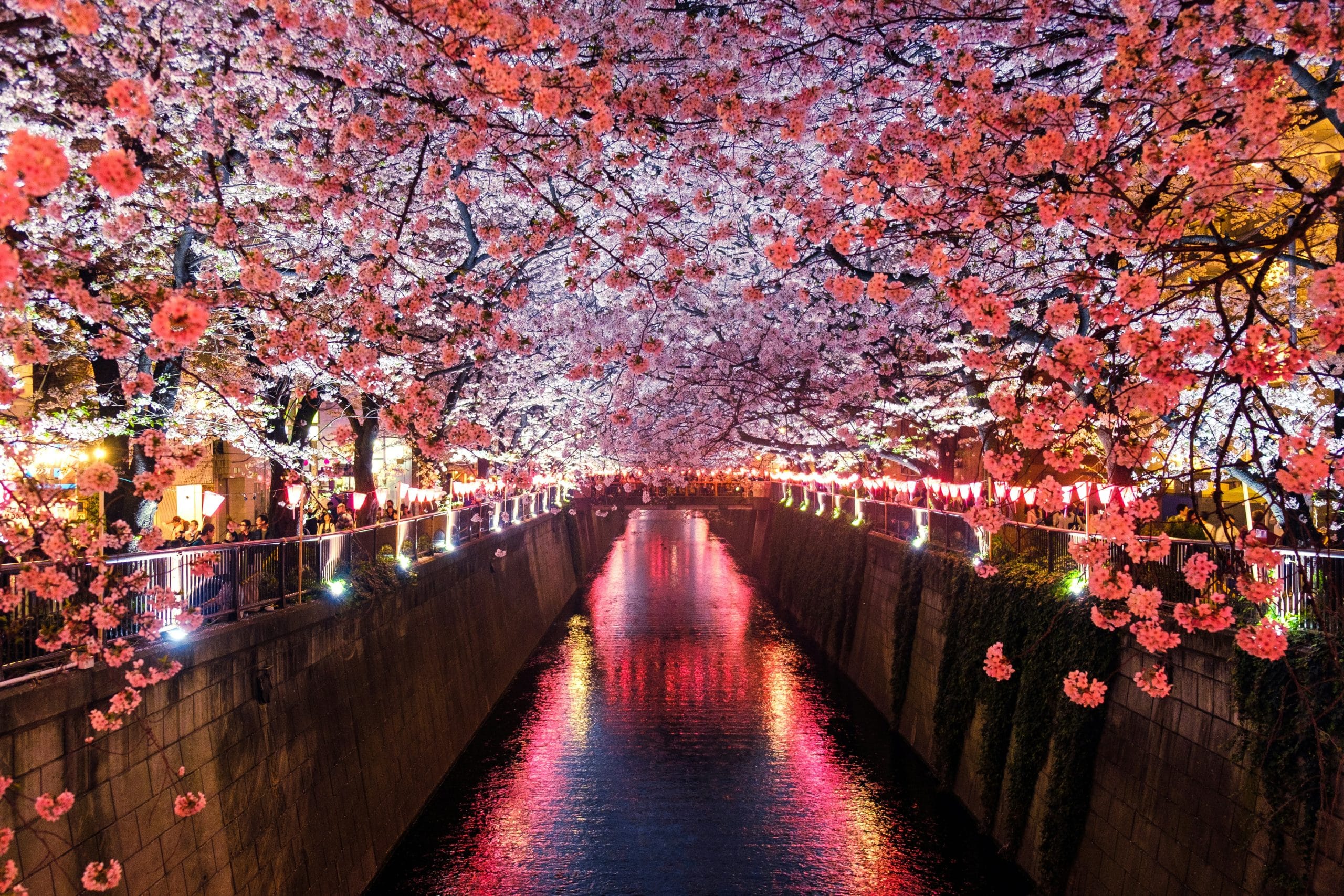
In a world that moves at relentless speed, Japan offers something quietly radical: an invitation to slow down and truly see. Not just to look, not just to photograph—but to experience the kind of deep noticing that transforms ordinary travel into something meaningful. For many visitors, Japan becomes the first place where they realize that the most memorable moments are rarely the loudest ones. They’re found in the steam of a morning bowl of miso soup, the shadows that fall across a temple floor, or the moment a train glides into the station with perfect precision.
This is the heart of Japan Reportage: documenting not just a place, but the way it changes how you perceive the world.
The Visual Language of Japan
Japan is a country built on visual cues. From the symmetry of a torii gate to the controlled chaos of Shinjuku Crossing, the Japanese environment communicates through arrangement, spacing, pattern, and restraint. Even if you don’t speak the language, you understand these silent conversations immediately.
Three concepts in particular shape the way travelers experience the country:
Wabi-sabi (侘寂): The Beauty of Imperfection
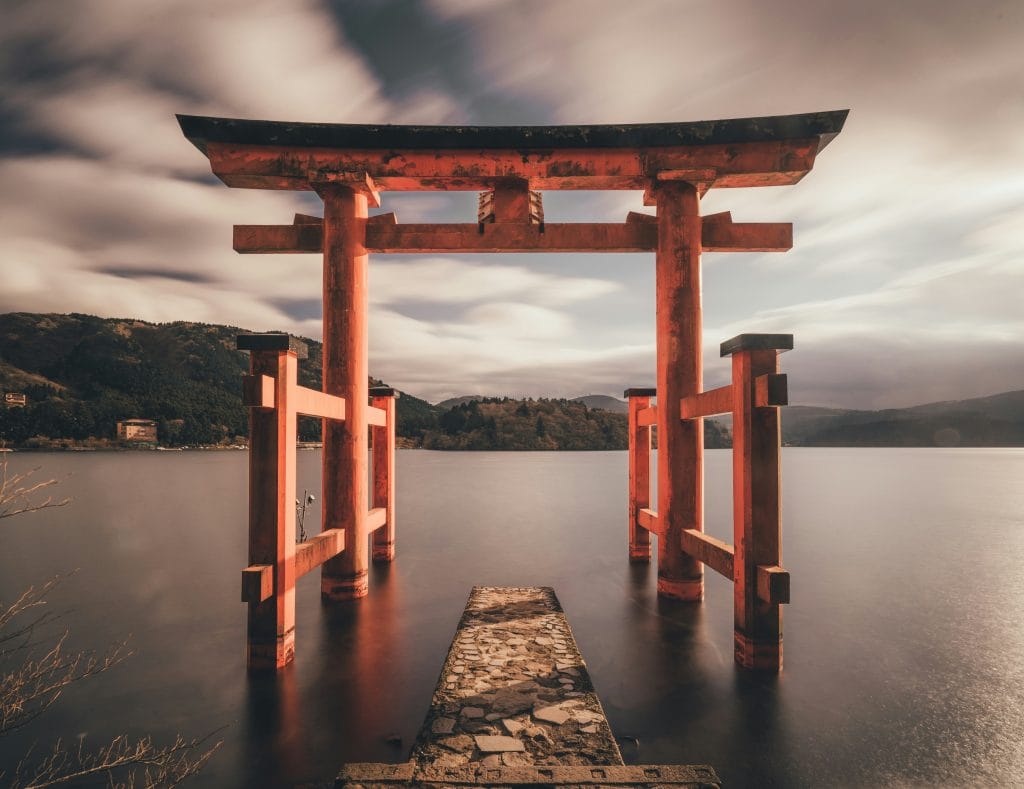
Wabi-sabi is not about broken pottery and rustic cabins, as the clichés often suggest. It’s about accepting the transient and the imperfect.
When you photograph Japan with wabi-sabi in mind, suddenly things you might have ignored become extraordinary:
- the weathered wood of a countryside house
- a single fallen maple leaf on wet stone
- the chipped paint of a beloved neighborhood vending machine
Wabi-sabi encourages a gentle realism—an appreciation for what is, rather than what is polished.
Ma (間): The Space Between Things
Ma is the deliberate use of empty space. In photography, it’s the art of composition. In life, it’s the art of breathing room.
You see ma everywhere in Japan:
- the silent pause in a conversation
- the clean, uncluttered corners of a tea room
- the interval between train announcements
Japan teaches you that the space between things is not absence—it’s presence. And when you slow down enough to notice, ma becomes one of the most visually calming elements you can capture.
Mono no aware (物の哀れ): The Beauty of Fleeting Moments
If there is one idea that defines Japan, it is mono no aware: the gentle sadness of knowing that nothing lasts.
Cherry blossoms, autumn leaves, summer fireworks, lantern festivals—every season brings rituals that celebrate life’s transience.
To photograph Japan is to become aware of how brief these moments are. A city soaked in rain. A noodle master working with wrinkled hands. A cat sunbathing outside a convenience store. You learn to lift your camera faster, to appreciate moments more deeply, because you understand they may never appear again.
Learning to Pay Attention
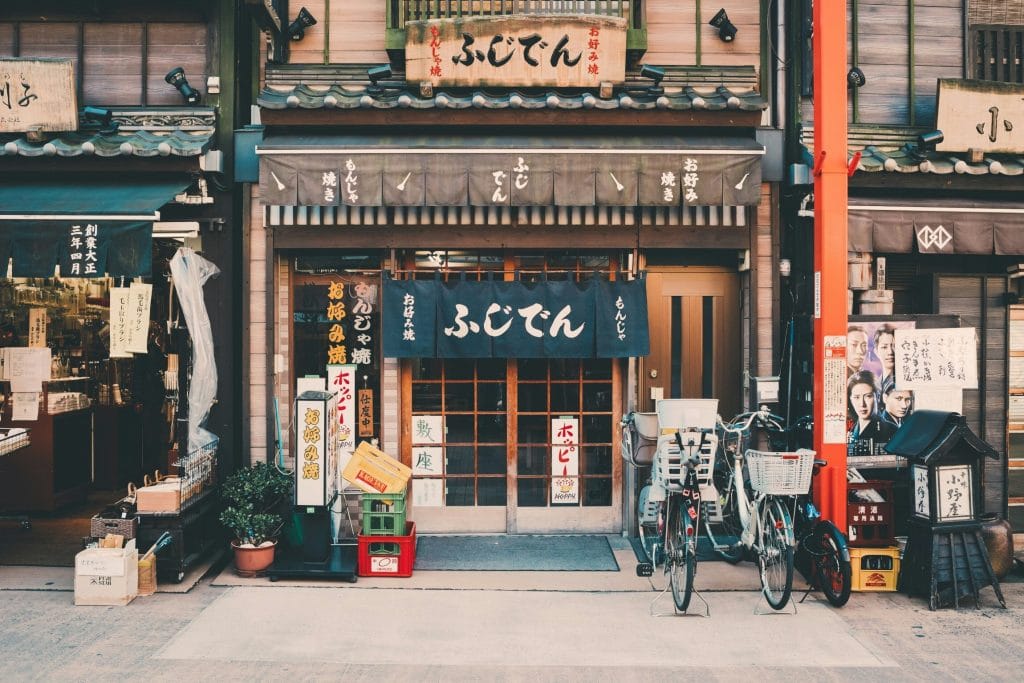
Japan encourages attention in ways you don’t expect.
You notice how neatly people queue.
How quiet the trains are despite the crowds.
How the shopkeeper bows slightly when handing you your change.
How the cicadas create a wall of sound in August that feels almost nostalgic, even if you’ve never heard it before.
These seemingly small moments are precisely what reportage seeks to preserve. They are the threads that make the fabric of travel richer.
Photography as a Practice, Not a Rush
It’s easy to land in Japan with a list of must-shoot locations:
Shibuya Crossing.
Fushimi Inari.
Arashiyama Bamboo Grove.
The bright signs of Dotonbori.
But the essence of Japanese photography is not about checking off icons—it’s about building patience, discipline, and intention. Some of the best images come when you stand in one place for long enough to see what others miss. A single street corner in Tokyo yields 30 different stories if you watch long enough.
Japan rewards slowness.
A photographer in Japan quickly learns that sometimes the best shot emerges after the crowd passes, when the scene reveals itself again.
Finding Beauty in the Unscripted
Japan’s most cinematic moments aren’t the ones in travel brochures. They’re the scenes you stumble across:
- A delivery worker balancing crates of vegetables on a bicycle through narrow alleys.
- A grandmother sweeping the steps of her shop at dawn.
- Students laughing in their school uniforms outside a convenience store after class.
- Salarymen pouring sake at an izakaya at the end of a long day.
- A perfectly arranged bento on a local train headed to the countryside.
These are the moments that turn a trip into a story—and a photograph into something that lives beyond the frame.
The Influence of Japanese Architecture and Design
Japan’s architecture teaches you to look differently.
Shoji screens create layered light that photographers dream of.
City alleys glow at night with lanterns and reflections.
Minimalist interiors invite calm.
Shrines and temples offer geometry that feels spiritual in itself.
Even the infrastructure is visually satisfying:
the green moss growing between old stone pathways,
the patterned tiles of subway station floors,
the bright yellow tactile paving guiding the visually impaired.
Japan makes you aware of design at every scale—macro and micro.
A Culture That Encourages Respectful Observation
Photography in Japan often feels seamless because the culture values harmony and mutual respect.
People tend to ignore the camera, not out of indifference, but out of politeness. A quiet bow can be more than enough to wordlessly ask permission. In many places, photographing public life is normal and fluid, provided it’s done with sensitivity.
This respect allows photographers to focus—not just on capturing images, but on being present.
How Japan Changes Your Eye, Even After Leaving
Nearly every photographer who travels to Japan returns with a changed eye.
You start noticing symmetry in your own city.
You find beauty in mundane objects.
You slow down when crossing streets.
You wait for better light instead of rushing a shot.
You appreciate silence more.
Japan trains your perception in a way few places do. It doesn’t force you to see—
it invites you.
And once you accept that invitation, your photography—and your way of experiencing the world—are never the same again.
A Country Made for Reportage
Japan is not just a destination.
It’s a muse.
A lesson.
A practice.
To truly see Japan is to see life with more intention, more patience, and more presence. Whether you’re a photographer, a writer, or a curious traveler, Japan teaches you that the extraordinary is often hidden in plain sight.
And that, ultimately, is what Japan Reportage exists to explore.
Takisha Yoko
Founder – Japan Reportage
